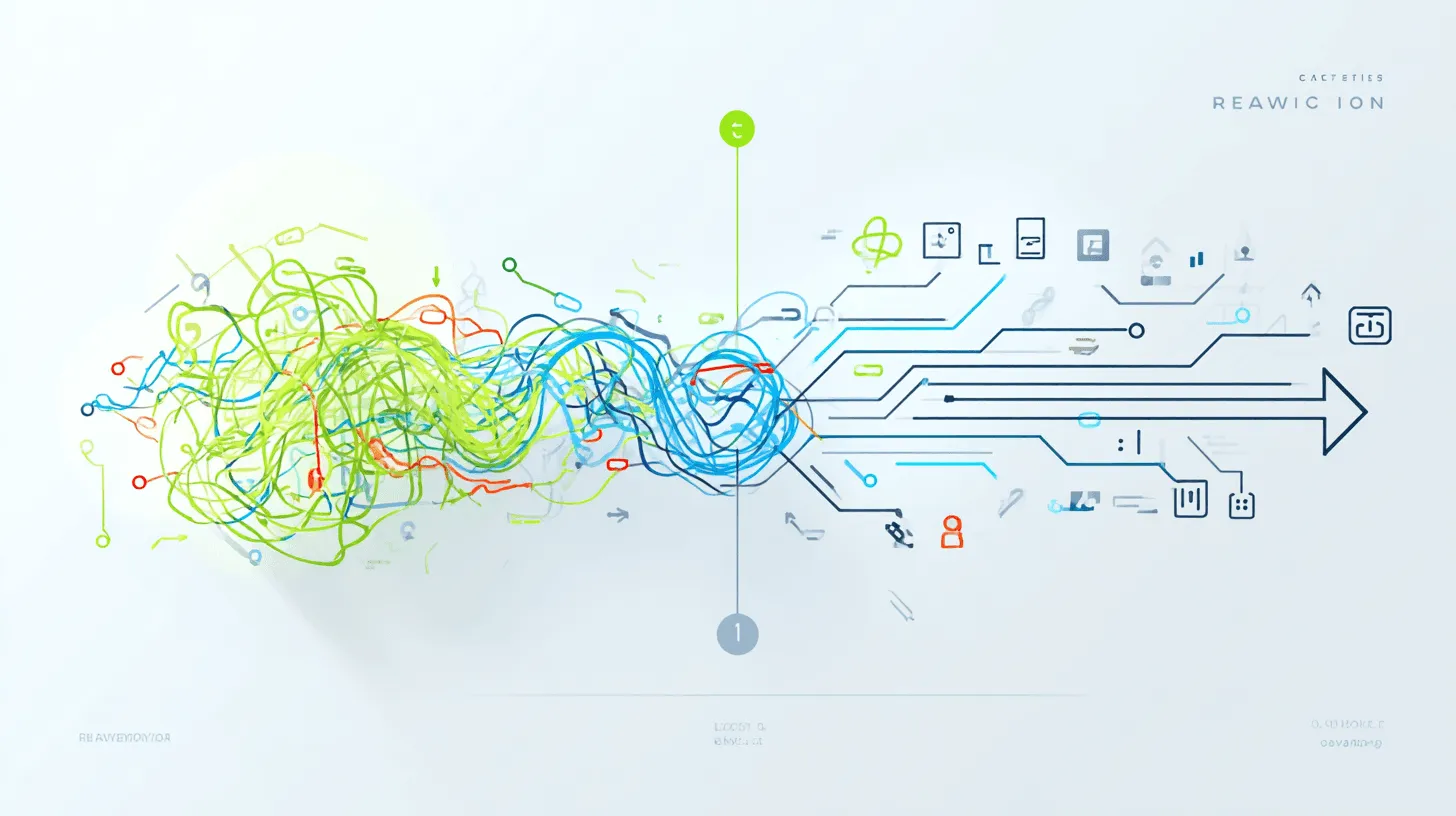

The phone rings. Again. Right in the middle of an important task, a client meeting, or a focused work session. Every ring is an interruption that forces a decision: pick up and lose your train of thought, or ignore it and leave a potential customer in the dark? If this scenario sounds familiar, you’re not alone. For many businesses, the daily volume of phone calls is a real challenge.
But how can you tackle this challenge and turn the phone into a reliable tool instead of viewing it as a disruption?
This guide gives you a practical perspective on call management. We’ll look at the often-overlooked costs of poor reachability and explore why traditional methods frequently fall short today. Most importantly, we’ll show you how modern call management software can noticeably improve your business operations — so you can move from reactive chaos to a well-organized system that keeps customers happy and gives you back valuable time.
The Hidden Problem: The True Cost of Poor Reachability
A missed call is rarely just a one-off event. It can be a revenue opportunity lost or a crack in an existing customer relationship. Poor phone reachability causes costs that go far beyond the directly lost deal.
We call it the vicious cycle of unreachability:
- High call volume leads to hold times or busy lines.
- Frustrated callers hang up and try again later. They become repeat callers.
- These repeat calls increase the original call volume and make the problem worse.
- Your team is even more strained, customer satisfaction drops, and your professional image suffers.
This cycle not only ties up resources unnecessarily but damages your business in the long run. Every unanswered call signals to the customer that you can’t be there for them right now. The actual financial impact is often surprisingly high.
In-depth article: The True Cost of a Missed Call (and How to Calculate It)
Traditional Call Management: Why Voicemail & Co. Hit Their Limits
Many businesses still rely on methods that can barely keep up with today’s demands:
- Voicemail: Perceived by many callers as a “black hole.” Few leave a message, and manually processing them is time-consuming.
- Manual call forwarding: Often leads to confusion and frustrated customers who have to explain their issue multiple times.
- A receptionist: Provides a personal touch but comes with high costs, can only handle one conversation at a time, and has fixed working hours.
Worth reading: Is a Receptionist Worth It? The Modern Cost-Benefit Analysis
These traditional approaches are often not flexible enough for a business world that expects fast and reliable answers.
The Solution: Intelligent Call Management with AI
A well-thought-out alternative lies in targeted automation. An AI-powered phone assistant like Safina AI can serve as the first point of contact — around the clock, in multiple languages if needed, and with zero wait time.
Unlike old, rigid voice menus (“Press 1…”) that often lead callers into dead ends, modern AI can hold natural conversations.
Further reading: IVR vs. Conversational AI: Why Your Phone System Is Frustrating Your Customers
It understands the caller’s concern, answers standard questions immediately, and pre-qualifies more complex topics for the right human contact. The result is a noticeable relief for your team, faster help for your callers, and the assurance that no important contact slips through the cracks.
Core Strategies for Effective Call Management
Modern call management software enables strategies that used to be very complex to implement.
- Intelligent Call Routing: Instead of simply forwarding calls, you can steer them strategically. An AI can intelligently handle conversations based on the topic, urgency, or customer number — or route them directly to the right team member.
- Peak Load Management (Overflow Management): What happens when multiple customers call at the same time? Instead of a busy signal, an AI assistant can take and handle all calls in parallel. This way, you don’t lose any business even during peak times.
- Systematic Prevention of Missed Calls: With a well-thought-out strategy, missed calls become the exception. There are proven tactics you can use to reliably ensure your reachability.
- Integration into Your Business Processes (CRM & Calendar): The biggest efficiency gains come from connectivity. When your phone assistant books appointments directly into your calendar or automatically logs call notes in your CRM system, a large portion of manual follow-up work is eliminated.
Helpful guides:Connecting Safina AI to Your CRM via WebhookUsing the Direct Calendar Integration for Appointment Booking
Finding the Right Call Management Software for Your Business
When evaluating a solution, the following questions can help:
- AI quality: Does the conversation feel natural or more like a rigid script?
- Flexibility: Can the solution scale with your business as it grows?
- Easy configuration: Can you easily create and modify conversation flows yourself?
- Integration capability: Does the software work well with your existing tools (calendar, CRM, etc.)?
- Data privacy: Where is your data stored and does it meet GDPR standards? (Safina AI is developed and hosted in Germany).
Transparent and straightforward pricing models are also important so the solution fits your needs and budget.
Conclusion: Good Call Management Is a Competitive Advantage
Well-organized call management is more than just an administrative task today. It’s an essential building block for customer satisfaction, the efficiency of your internal processes, and ultimately your business success.
By letting an intelligent assistant handle repetitive inquiries, you create space for yourself and your team. This lets you focus on the tasks that truly move your business forward. What was once a daily burden becomes a structured, professional communication channel that leaves a great impression on your customers.